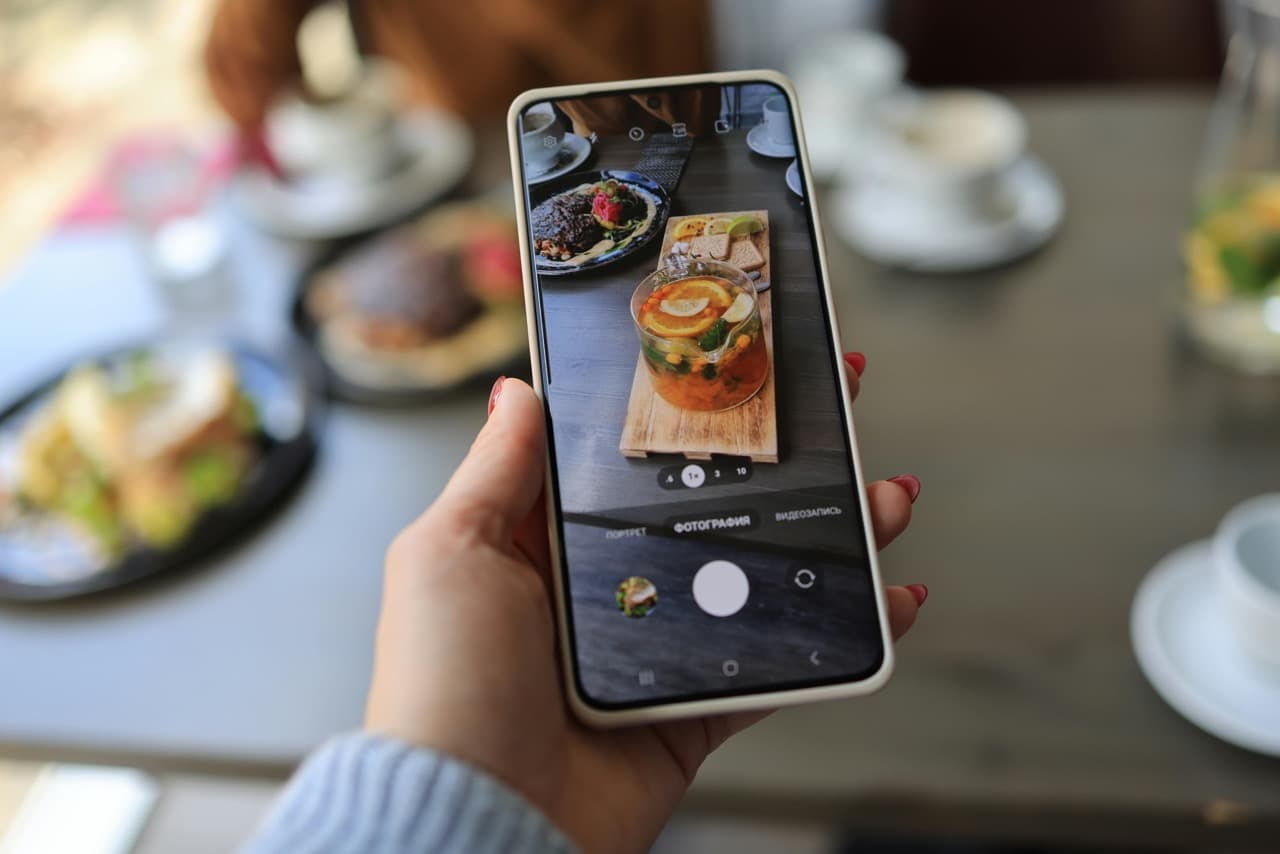
I Tracked What I Ate With Photos for 30 Days. Here's What Changed.
I've tried every tracking method. MyFitnessPal for six months (quit because scanning barcodes at dinner made me want to throw my phone). A paper food diary (lasted nine days). Even a voice memo approach where I'd narrate what I ate into my phone like a weird food podcast. Nothing stuck.
Then I tried something simpler: just take a photo of everything I eat. No numbers. No logging. No weighing. Just open the camera, snap, and move on with my life. Here's what happened over 30 days.
Week 1: The Awareness Hit
The first thing I noticed was how often I eat without thinking. A handful of chips while cooking dinner. A spoonful of peanut butter at 11 PM. A second coffee with cream and sugar at 3 PM. These "invisible" snacks never made it into any food diary I'd kept because they felt too small to bother logging. But when you're taking photos, everything is visible. And seeing six photos from a single day that include three snacks you barely remember eating is a wake-up call.
By day four, I was already eating differently. Not because I was restricting anything. I just didn't want to take a photo of a bag of Doritos at 10 PM. There's something about the visual record that makes you pause before reaching for junk. It's like having a witness.
Week 2: Patterns Emerged
Looking back at my photo grid after two weeks, patterns jumped out immediately. Lunches were mostly green. Dinners were fine when I cooked but red when I ordered delivery (which was three out of seven nights). Breakfasts barely existed, which meant I was starving by 11 AM and grabbing whatever was closest.
I would never have seen these patterns with calorie counting. A number on a screen doesn't tell you that your weekday lunches are great but your weekend dinners are destroying your progress. A visual grid does. Instantly.
Week 3: The Shift
Something changed in week three. I started cooking more. Not because I forced myself, but because I wanted my photo grid to look better. It sounds shallow, but it works. Seeing a week of mostly green tiles genuinely made me feel proud. Seeing a red tile on Wednesday night (pizza delivery after a bad day at work) made me want to get back on track Thursday, not give up entirely.
This is the opposite of what calorie counting does. With calories, one bad meal feels like the whole day is ruined. With photos, one red meal is just one tile in a sea of green. It's visual evidence that you're doing well overall, and one slip doesn't erase that.
Week 4: The Results
After 30 days, I stepped on the scale for the first time. Down 6 pounds. Without counting a single calorie. Without a meal plan. Without restricting any food group. I just ate with awareness and made slightly better choices because I could see what I was doing.
The research backs this up. A Kaiser Permanente study of nearly 1,700 participants found that people who kept daily food records lost twice as much weight as those who kept no records. And a separate study found that photo-based food journaling specifically led to greater weight loss and longer program adherence than other tracking methods.
The reason is simple: the act of recording what you eat changes what you eat. And photos are the lowest-friction way to do it. Two seconds per meal versus five minutes of calorie logging. That's the difference between a habit you keep and a habit you quit.
Try It Yourself
You don't need an app to start. Just use your phone camera for a week and scroll back through the photos on Sunday. You'll be surprised what you see. But if you want the AI classification (green, yellow, red), the streak system, and the weekly visual grid, that's what Slopax was built for. It takes two seconds per meal and gives you a picture of your eating that no calorie counter ever could.